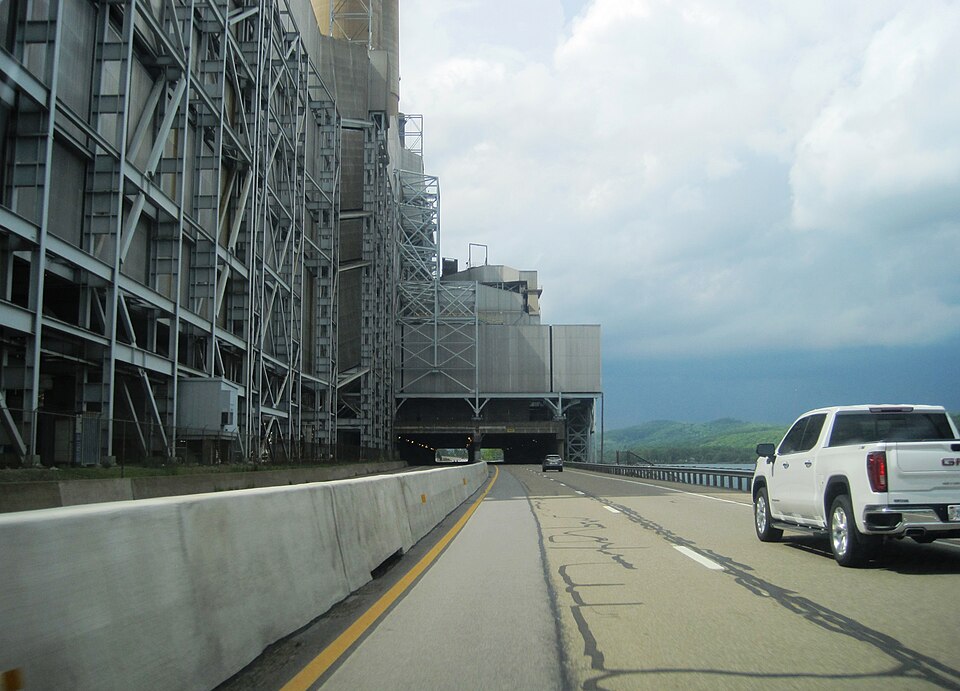
The W.H. Sammis Plant, reportedly a coal-fired power generation facility in Stratton, Ohio, may have exposed workers, contractors, and visitors to asbestos-containing materials. Asbestos saw wide use in industrial settings, particularly power plants, for decades due to its heat-resistant and insulating properties. If you or a loved one worked at the W.H. Sammis Plant and developed an asbestos-related disease such as mesothelioma, lung cancer, or asbestosis, you may have legal claims. An experienced mesothelioma lawyer Ohio can evaluate your case and guide you through the process.
Important Ohio Filing Deadline Warning: The statute of limitations in Ohio for asbestos-related personal injury claims is two years from the date of diagnosis (Ohio Revised Code § 2305.10). For wrongful death claims, it is two years from the date of death (Ohio Revised Code § 2125.02). It is crucial to act quickly to preserve your legal rights. Consulting an asbestos attorney Ohio as soon as possible is highly recommended.
For information on specific asbestos-containing products allegedly used at facilities like W.H. Sammis Plant, consult the AsbestosIndex Product Crosswalk.
History of the W.H. Sammis Plant and Potential Asbestos Exposure Ohio
The W.H. Sammis Plant, operated by Ohio Edison and later FirstEnergy, reportedly produced significant power for Ohio. Like many industrial facilities built and operated through the mid-to-late 20th century, including other major Ohio industrial sites such as Cleveland-Cliffs Steel or Republic Steel Youngstown, the W.H. Sammis Plant allegedly incorporated asbestos-containing materials extensively. The plant’s operation involved high temperatures and complex machinery, making asbestos a prevalent choice for insulation, fireproofing, and other applications.
The facility featured a Babcock & Wilcox boiler, commissioned in 1959, and a General Electric steam turbine, commissioned in 1959. Asbestos reportedly withstood extreme heat, prevented fires, and provided effective insulation for steam pipes, boilers, and turbines. The plant has since ceased operations and undergone decommissioning. However, the legacy of asbestos exposure Ohio may still impact those who worked there.
Trades and Occupations Potentially Exposed to Asbestos at W.H. Sammis Plant
Numerous tradespeople at the W.H. Sammis Plant may have faced asbestos exposure. These individuals often worked directly with or near asbestos-containing products, especially during construction, maintenance, repair, and demolition. Trades reportedly at high risk include:
- Insulators: Allegedly handled and installed asbestos-containing pipe covering, block insulation, and insulating cements on boilers, pipes, and equipment. Cutting, fitting, and removing these materials released asbestos fibers into the air. Workers from Ohio unions such as Asbestos Workers Local 3 (Cleveland) may have been at risk.
- Pipefitters: Reportedly worked with asbestos-containing gaskets, packing, and pipe insulation. When pipes needed repair or replacement, pipefitters may have removed old asbestos insulation, disturbing fibers.
- Boilermakers: Allegedly constructed, maintained, and repaired boilers. Boilers were heavily insulated with asbestos-containing refractory materials and block insulation. Their work often created dusty conditions where asbestos fibers became airborne. Members of Boilermakers Local 900, active across Ohio, may have been exposed.
- Electricians: Reportedly encountered asbestos in electrical panels, wiring insulation, and conduit wraps. Disturbing these materials during installation or repairs led to exposure.
- Millwrights: Allegedly installed and maintained machinery. This machinery often contained asbestos components like gaskets or brake linings.
- Laborers: General laborers and maintenance crews often performed tasks near or directly with asbestos-containing components throughout the plant. Union members, such as those from USW Local 1307 (Lorain), who may have worked at various Ohio industrial sites including power plants, may have performed similar tasks.
- Construction Workers: Those involved in the initial construction or later expansions of the plant may have faced asbestos exposure in building materials like cement, floor tile, and spray fireproofing.
Asbestos-Containing Materials Allegedly Present at W.H. Sammis Plant
Facilities like the W.H. Sammis Plant, as well as other major Ohio industrial employers such as Goodyear Akron, B.F. Goodrich Akron, or Ford Lorain Assembly, reportedly used many asbestos-containing materials. These may have included:
- Pipe covering
- Block insulation
- Gaskets and packing
- Refractory materials
- Insulating cement
- Spray fireproofing
- Electrical components (e.g., wire insulation, electrical panels, conduit)
- Floor tile
- Ceiling tile
- Acoustical panels
When workers disturbed, cut, sanded, drilled, or removed these materials, asbestos fibers became airborne. Workers inhaled or ingested these fibers. For more detailed information on specific asbestos products associated with power plants, refer to the AsbestosIndex Product Crosswalk.
Asbestos-Related Diseases and Your Legal Options for an Ohio Mesothelioma Settlement
Asbestos exposure causes several severe and often fatal diseases. These diseases typically have long latency periods, with symptoms often not appearing for decades after initial exposure. These diseases include:
- Mesothelioma: A rare, aggressive cancer affecting the lining of the lungs (pleural mesothelioma), abdomen (peritoneal mesothelioma), or heart (pericardial mesothelioma).
- Asbestosis: A chronic, non-cancerous lung disease where asbestos fibers scar the lungs, causing shortness of breath.
- Asbestos-Related Lung Cancer: Lung cancer directly linked to asbestos exposure, which differs from mesothelioma.
- Other Cancers: Cancers of the larynx, pharynx, stomach, and colon also link to asbestos exposure.
Pursuing Legal Claims for Asbestos Exposure in Ohio
If you or a loved one worked at the W.H. Sammis Plant and received an asbestos-related disease diagnosis, you have legal options. These generally include pursuing an Ohio mesothelioma settlement through:
- Asbestos Trust Fund Claims: Many companies that manufactured or supplied asbestos-containing products established trust funds to compensate victims. These claims do not involve suing the company directly; instead, you file a claim against the relevant asbestos bankruptcy trust funds. Most asbestos trusts do not have a strict time limit for filing, but their assets can deplete over time, making it critical to file as soon as possible. Ohio residents can pursue trust fund claims simultaneously with civil lawsuits.
- Civil Lawsuits: You may pursue an asbestos lawsuit Ohio against the manufacturers or suppliers of asbestos-containing products that allegedly caused your exposure. These lawsuits are often filed in Ohio venues such as the Cuyahoga County Common Pleas Court (Cleveland), which is one of the most active venues for asbestos litigation in Ohio, or the Franklin County Common Pleas Court (Columbus), depending on case specifics.
Act quickly. Statutes of limitations set strict deadlines for filing claims. The Ohio asbestos statute of limitations for personal injury claims runs two years from the date of diagnosis (Ohio Revised Code § 2305.10). For wrongful death claims, the statute of limitations also runs two years from the date of death (Ohio Revised Code § 2125.02). Do not delay; missing these deadlines can permanently bar your right to file a claim.
Contact an Experienced Asbestos Cancer Lawyer Cleveland
Asbestos claims require specialized legal knowledge. An experienced asbestos litigation law firm, such as an asbestos cancer lawyer Cleveland, helps you understand your rights, identify potential exposure sources, and guides you through the legal process. They assist with:
- Gathering evidence, including employment history and medical records.
- Identifying specific asbestos-containing products and manufacturers documented on the AsbestosIndex Product Crosswalk for this facility type responsible for your alleged exposure.
- Filing asbestos trust fund Ohio claims and/or civil lawsuits.
- Representing your interests in court or during settlement negotiations in Ohio venues.
Unfortunately, many of the coworkers who shared shifts with you in the earlier years of your career may no longer be reachable. Time is precious, especially with Ohio’s strict two-year filing deadline. Call today to consult a qualified toxic tort counsel as soon as possible. Protect your legal rights and maximize your legal recourse. Pursue trust fund claims and civil lawsuits simultaneously.
Data Sources
Information about facility equipment, industrial materials, and occupational records referenced on this page is drawn from publicly available sources where applicable, including:
- EPA ECHO Facility Compliance Database — enforcement and compliance records for industrial facilities
- OSHA Establishment Search — federal workplace inspection history
- EIA Form 860 Plant Data — power plant equipment and ownership records (where applicable)
- Ohio EPA NESHAP records
- Published asbestos trial and trust fund records (publicly filed court documents)
If specific equipment or product claims in this article are sourced from a non-public database, the source is identified parenthetically within the text above.
Mesothelioma Resources for Ohio Workers
Occupational and premises asbestos exposure like this is a leading cause of mesothelioma, often diagnosed decades later. If you or a family member worked here:
- Mesothelioma symptoms and how it is diagnosed
- Treatment options and the cancer centers serving Ohio patients
- How mesothelioma claims work for Ohio asbestos victims
- What asbestos thermal & boiler insulation looks like
← Back to Ohio Jobsite Asbestos Records
For informational purposes only. Not legal advice. No attorney-client relationship is created by reading this page. © 2026 Rights Watch Media Group LLC — Disclaimer · Privacy · Terms · Copyright